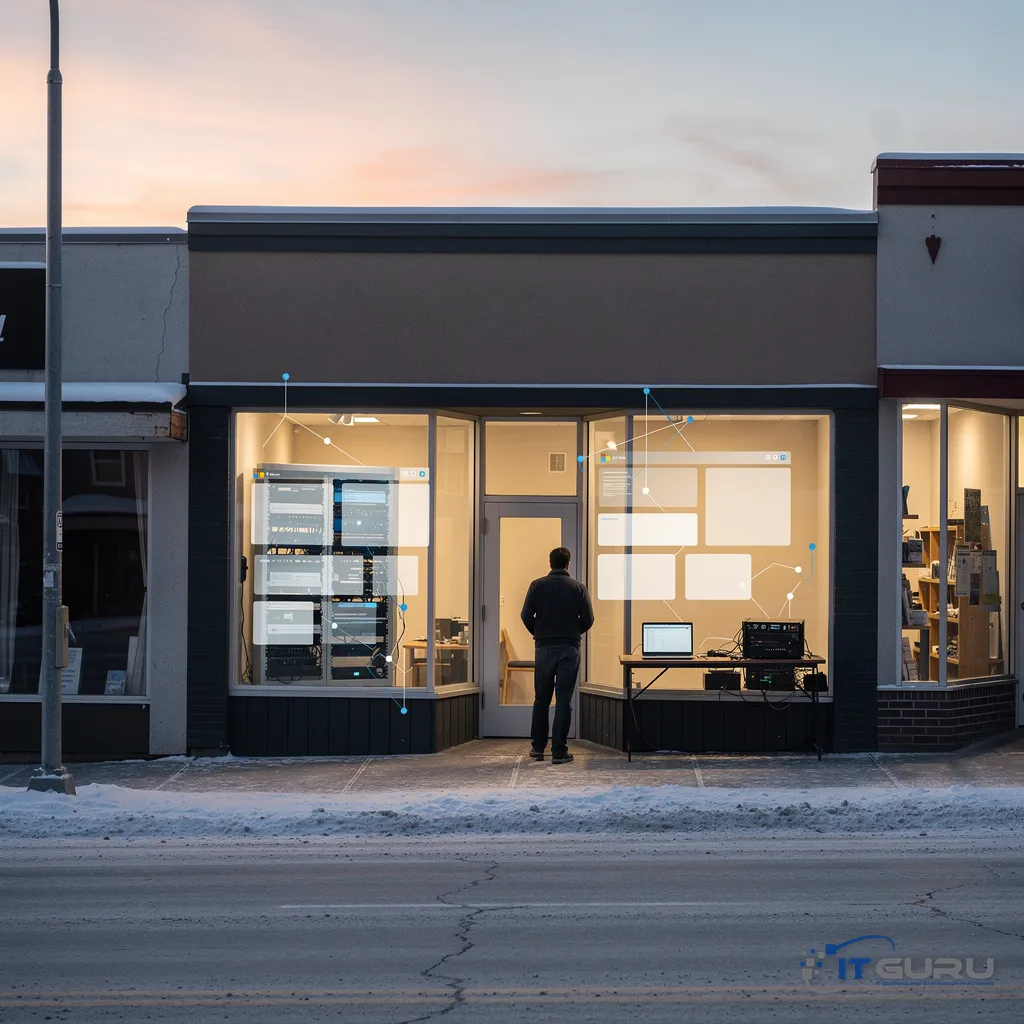
Launching a new website can feel like crossing the finish line. The pages are published, the contact form works, and your business finally has an online presence that reflects what it offers.
In reality, launch day is only the beginning. Websites rely on hosting, software, security certificates, backups, integrations and content that must remain accurate. Without ongoing care, even a well-designed site can gradually become outdated, unreliable or difficult to manage.
ITGuru Canada Inc. provides website design in Fort St. John through a managed approach that can combine planning, responsive development, hosting, maintenance, backups, updates and technical support — giving businesses a defined process for building a website and looking after it once it goes live.
Why Your Business Website Still Matters
Customers often visit a website before they call, send an email or request a consultation. They
may be looking for answers to basic questions:
- What does the business offer?
- Does it serve Fort St. John?
- Can it help with my specific problem?
- How do I get in touch?
- Does the company appear professional and credible?
If visitors cannot find those answers quickly, they may leave and continue searching. A useful business website does more than display a logo and contact details — it should organize information clearly, work across mobile and desktop devices, and guide visitors toward an appropriate next step. For many small and medium-sized businesses, designing the website is only half the challenge. Someone must also keep it functioning after launch.
What Happens to a Website After It Launches?
A website is not a printed brochure. It operates within a changing technical environment. Software receives updates, web browsers evolve, security vulnerabilities are discovered, business information changes, and third-party tools may change how they function. Without regular attention, a website may develop problems such as:
- Outdated service information and broken links or forms
- Expired security certificates or unsupported software
- Inconsistent page layouts and missing backups
- Poor mobile usability and reduced performance
- Confusion over domain or hosting access
Managed Website Hosting and Technical Support Services
Website Design Team, ITGuru Canada Inc.
What Is a Managed Website Service?
A managed website service combines website design and development with continuing technical management. Instead of hiring one provider to build the site, another to host it and someone else to troubleshoot problems, approved services can be brought together under one defined plan, which may include planning and consultation, responsive interface design, development, hosting, SSL certificate management, software and security updates, routine backups, performance monitoring, approved content updates, technical support and basic on- page SEO setup.

A Better Website Starts With Discovery and Strategy
Effective website design begins before colours, photographs or page layouts are selected. The discovery process should identify the people the website needs to reach, the information they need and the actions the business wants them to take.
Define the website’s goals
A website may need to generate consultation requests, explain professional services, support hiring, present multiple business locations or simply help customers find accurate information. Clear goals help prevent the project from becoming a collection of pages without a defined purpose.
Create a logical sitemap
A sitemap outlines the website’s pages and how they relate to one another. For a small Fort St. John business, that structure might include a homepage, an about page, individual service pages, service-area pages, a blog or resource section, frequently asked questions, and a contact page. A logical structure helps visitors navigate the site and gives search engines clearer information about its content.
Plan the content
Before development begins, the business and website provider should identify the required text, photographs, branding materials and calls to action. Planning content early can reduce delays and prevent important pages from launching with incomplete information.
Responsive Design Is No Longer Optional
Customers may visit your website from a desktop computer at work, a phone between appointments or a tablet at home. Responsive website design adjusts page layouts for different screen sizes, helping keep text readable, navigation usable and calls to action accessible across supported devices. Mobile usability is especially important for local customers who may be searching for a service, phone number, address or contact form while away from a desktop computer.
Basic SEO Should Be Built Into the Website
Search engine optimization should not be treated as something added only after a website has launched. A professionally structured website can include foundational on-page and technical SEO elements such as descriptive page titles, useful meta descriptions, logical headings, search-friendly URLs, relevant internal links, descriptive image alternative text, mobile- responsive layouts, indexing controls and XML sitemap configuration.
Basic SEO helps search engines discover and understand website content. It does not guarantee rankings, traffic, enquiries or sales. Ongoing keyword research, content strategy, local SEO, link development and performance reporting are separate services unless specifically included.
Why Ongoing Website Care Matters
Website software, plugins and other components may require updates to address defects, compatibility concerns or known vulnerabilities. Backups create restorable copies of covered website files and data, and can be valuable when a technical problem, update failure or security incident affects the live site. Businesses also change over time — services evolve, employees join or leave, contact details change, and new projects need to be presented, which is why approved content refreshes and a defined technical support process matter.
Signs Your Current Website May Need Attention
- The site does not work well on mobile devices
- Services or contact details are outdated
- No one is responsible for updates or backups
- The website uses unsupported software
- Forms are unreliable or the design no longer represents the business
Frequently Asked Questions
What is Website as a Service?
It combines planning, design and development with approved hosting, maintenance, backups, updates and technical support through an ongoing plan.
Is website hosting included?
Hosting may be included depending on the selected website plan. Storage, technical resources and other hosting conditions should be confirmed before service begins.
Does website design include SEO?
Basic on-page and technical SEO may be included. Ongoing SEO campaigns and guaranteed search rankings are not included unless expressly confirmed.
Why does a website need backups?
Backups provide restorable copies of covered website data and files, and can support recovery after certain technical problems, failed updates or security incidents.